
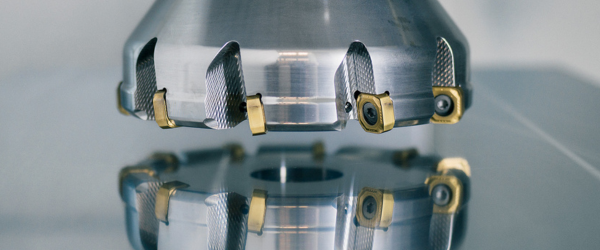
A Practical Guide to Improving Surface Finish in Milling and Turning
Achieving a high-quality surface finish isn’t just about aesthetics—it directly impacts part performance, wear resistance, and dimensional accuracy. Whether you're milling or turning, small changes in setup, tooling, and parameters can make a significant difference.
Here’s a practical guide to help you improve surface finish on the shop floor.
Why Surface Finish Matters
A poor surface finish can lead to:
- Increased friction and wear
- Reduced fatigue resistance
- Poor sealing performance
- Additional rework or polishing costs
Getting it right the first time saves both time and money.
1. Start with the Right Cutting Tool
Your tool selection is the foundation for surface finish.
Key considerations:
• Insert geometry
Use finishing inserts with a wiper geometry or smaller nose radius for smoother results.
• Coating selection
Choose coatings suited to your material (e.g. TiAlN for heat resistance, polished coatings for aluminium).
• Sharpness matters
A sharp cutting edge reduces tearing—especially critical in softer materials like aluminium and plastics.
✅ Tip: For finishing passes, always use a dedicated finishing insert—not the same one used for roughing.
2. Optimise Cutting Parameters
Incorrect speeds and feeds are one of the most common causes of poor finish.
In Turning:
• Reduce feed rate → most impact on surface finish
• Increase cutting speed (within limits) → smoother surface
• Use consistent spindle speed
In Milling:
• Increase spindle speed where possible
• Reduce feed per tooth for finishing passes
• Use climb milling (down milling) for better finish
✅ Rule of thumb: Surface finish is heavily influenced by feed rate and tool nose radius—adjust these first.
3. Control Vibration and Chatter
Chatter marks will instantly ruin a surface finish.
How to reduce vibration:
• Minimise tool overhang
• Use rigid toolholders and workholding
• Ensure proper machine maintenance
• Use variable pitch cutters if available
✅ Tip: If you hear chatter, don’t push through it—adjust speed, feed, or tool engagement immediately.
4. Use the Right Toolpath Strategy (Milling)
Toolpath strategy has a major impact on finish in milling operations.
Best practices:
• Use constant engagement toolpaths
• Program a finishing pass with light radial depth of cut (DOC)
• Apply stepover reduction for smooth surfaces
• Avoid sharp directional changes
✅ Pro tip: A dedicated finishing pass with 0.1–0.3 mm radial DOC can dramatically improve results.
5. Manage Coolant and Chip Control
Poor chip evacuation can damage your surface.
Consider:
• Use coolant where appropriate (especially for heat-sensitive materials)
• Ensure chips are cleared away from the cutting zone
• Use air blast or high-pressure coolant for deep cavities
✅ Tip: Built-up edge (BUE) is a common cause of poor finish—proper coolant and cutting speed help prevent it.
6. Check Workholding and Stability
Even the best tooling won’t overcome a poor setup.
Ensure:
• The workpiece is securely clamped
• No movement or vibration in the setup
• Proper support for long or thin parts
✅ Turning tip: Use tailstock support or steady rests when needed.
7. Material-Specific Considerations
Different materials behave differently when finishing.
• Aluminium → Use sharp, polished tools and higher speeds
• Stainless steel → Avoid work hardening—maintain consistent feed
• Tool steel → Focus on rigidity and heat control
• Cast iron → Dry machining often works best
8. Don’t Skip the Finishing Pass
Trying to achieve final finish in a roughing pass is a common mistake.
Best approach:
• Leave a small amount of stock (e.g. 0.2–0.5 mm)
• Run a dedicated finishing pass with optimised parameters
✅ Result: Better consistency and reduced tool wear.
Final Checklist for Better Surface Finish
Before hitting cycle start, check:
• ✅ Correct insert and geometry
• ✅ Optimised feed and speed
• ✅ Minimal tool overhang
• ✅ Stable workholding
• ✅ Proper coolant/chip evacuation
• ✅ Finishing pass programmed
Need Help Choosing the Right Tooling?
At Trade Tools, we stock a wide range of milling cutters, turning inserts, and high-performance tooling from leading brands.
If you're looking to improve finish, reduce rework, or increase tool life: 👉 Talk to our team—we’ll help you match the right tooling to your application.