
Choosing the Best Wood Glue for Different Jobs
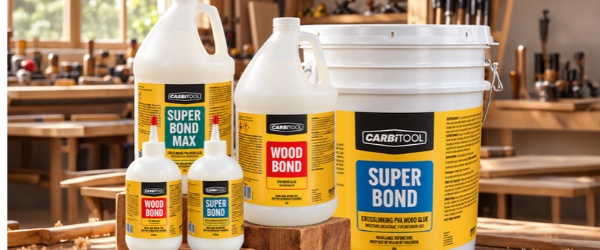
There’s a lot that goes into a good woodworking project before the glue even comes out. Timber choice, joint design, fit and finish all matter, and the adhesive you use needs to suit the same job. An indoor dining table and an outdoor bench might use similar timber and joinery, but they’ll face very different conditions once they leave the workshop. Cabinetry brings another consideration again, particularly when you’re working with melamine or other coated surfaces. Choosing the best wood glue comes down to more than simply looking for the strongest product on the shelf. You need to consider what you’re bonding, where the finished piece will live and how much moisture it’s likely to encounter. Carbitool’s glue range covers those different requirements with Wood Bond, Super Bond, Super Bond Max and Clear Bond. Each has its own place in the workshop.
What Is the Strongest Wood Glue?
It’s a common question, but “strongest” can mean different things depending on the project. A glue can create a strong timber-to-timber bond in dry conditions without being designed to handle regular moisture. An adhesive made for exterior work has another job to do again, because the bond needs to perform while exposed to changing weather conditions. That’s why water resistance and bond strength shouldn’t be treated as the same thing. For an indoor table, cabinet or bookshelf, a reliable interior bond may be exactly what the project needs. Move that same piece outside and water resistance becomes much more important. If one of the surfaces is melamine rather than bare timber, compatibility with the material becomes part of the decision too. The strongest wood glue is therefore the one that provides the right performance for the application, rather than simply the product with the highest level of water resistance.
Wood Bond for Interior Furniture and Joinery
When choosing wood glue for furniture, it helps to think about where the finished piece will actually live. A dining table, bedside cabinet or timber shelving unit has very different exposure requirements from furniture built for a verandah or garden. For projects that stay indoors and dry, Wood Bond gives furniture makers, cabinetmakers and DIY woodworkers an adhesive designed for exactly that type of work.
Super Bond for Projects Exposed to Moisture
Some projects stay indoors but still deal with moisture. Joinery used in laundries, bathrooms and other humid areas may need more moisture resistance than a piece of furniture sitting in a bedroom or living room. Carbitool Super Bond is the moisture-resistant option in the range. It suits applications where occasional dampness or humidity needs to be considered as part of the finished job. The key distinction here is the amount of water exposure expected. A project that experiences occasional moisture has different requirements from one that will regularly sit outside in different weather conditions. Super Bond fills that space between a dry-interior adhesive and a glue intended for fully exposed exterior work. As with any woodworking adhesive, the materials being joined matter too. If the project includes coated surfaces such as melamine, the surface itself may require a different type of adhesive.
Choosing Waterproof Wood Glue for Outdoor Projects
Outdoor woodworking has more to contend with than an indoor furniture piece. Rain, moisture and changing conditions all place different demands on the finished joint. Carbitool Super Bond Max is Carbitool’s waterproof wood glue for exterior applications. This makes it the option to consider when you need an exterior wood glue for projects that will genuinely be exposed to the weather. Outdoor furniture is a good example. A bench positioned beneath a covered verandah may experience very different conditions from one sitting in an open garden, but both need the expected water exposure considered before the first joint is glued. The same principle applies when choosing any outdoor wood glue: match the adhesive to the conditions the finished project will face. Waterproof exterior performance also shouldn’t be taken to mean that an adhesive is automatically suitable for permanent immersion, structural repairs or other specialist applications. Those jobs should always be checked against the manufacturer’s recommendations for the particular product.
Choosing Melamine Glue for Cabinetry
Not every woodworking project involves bonding two pieces of bare timber. Melamine cabinetry is a good example. A particleboard or MDF-based panel may have a smooth melamine surface on the outside, creating a very different bonding surface from exposed timber. Carbitool Clear Bond is the specialist vinyl and melamine glue within our range, designed for its specified melamine and vinyl bonding applications. That gives it a different role from Wood Bond, Super Bond and Super Bond Max. Those three products can be considered according to where the project will live and its exposure to moisture. Clear Bond is selected because of the materials being joined. For cabinetmaking, wardrobe construction and similar work, it’s worth looking closely at the surfaces meeting at each joint. The core of a panel and its finished face may require different consideration, even though both belong to the same sheet material. For laminates or other coated surfaces outside Clear Bond’s specified applications, confirm compatibility before starting the job.
Matching the Woodworking Glue to the Joinery
Choosing the right adhesive is only one part of producing a good joint. The fit and preparation still matter. Whether you’re using dowel jigs and wood dowels, biscuits or routed joints, the pieces need to come together cleanly before the adhesive can do its job. For routed joinery, Carbitool’s range of joining router bits includes cutters designed for repeatable timber joints such as tongue-and-groove and other joining applications. The size and complexity of the assembly can also affect which wood adhesive is practical to use. A small frame and a larger cabinet or furniture assembly may involve different working and clamping requirements, so the individual product instructions should always form part of the setup. The same applies to curing. A joint being ready to come out of the clamps doesn’t necessarily mean it has reached the point where it should be placed under full load. Good joinery and the right glue work together.
Choosing the Right Wood Glue for Your Project
The easiest way to narrow down the range is to start with the finished project. For dry interior furniture, cabinetry and general timber joinery, Wood Bond is the everyday option. Where the project may experience occasional moisture or humidity, Super Bond provides additional moisture resistance. For exterior woodworking that requires waterproof performance, Super Bond Max is the option designed for the job. When the project involves melamine or the other surfaces covered by its application guidance, Clear Bond provides the specialist adhesive. There doesn’t need to be one “best” bottle for every woodworking project. The best wood glue is the one that suits the materials, environment and demands of the piece you’re building.
Frequently Asked Questions
What is the best wood glue for indoor furniture?
For dry indoor timber projects, Wood Bond is Carbitool’s everyday interior option. It suits furniture, cabinetry, picture frames and other general timber-to-timber applications where water resistance isn’t required.
What is the strongest wood glue?
There isn’t one answer that applies to every project. Strength needs to be considered alongside the materials being bonded and the conditions the finished joint will face. An exterior adhesive may provide greater water resistance without automatically making it the right choice for every dry interior project.
Is all wood glue waterproof?
No. Different adhesives provide different levels of water resistance. Wood Bond is designed for dry interior use, Super Bond adds moisture resistance, and Super Bond Max is Carbitool’s waterproof exterior option.
What is the difference between water-resistant and waterproof wood glue?
Water-resistant adhesive is designed to cope with a degree of moisture exposure, while a waterproof exterior adhesive is intended for more demanding conditions. Always match the product to the actual level of exposure expected in the finished project.
What wood glue should I use for outdoor furniture?
For outdoor projects requiring a waterproof exterior adhesive, Super Bond Max is the relevant option within Carbitool’s range. Consider how exposed the finished furniture will be and follow the product guidance for the application.
Can I use standard wood glue on melamine?
Melamine presents a different bonding surface from bare timber. Clear Bond is Carbitool’s specialist adhesive for its specified melamine and vinyl applications. Check the surfaces being joined and the product guidance before choosing the adhesive.