
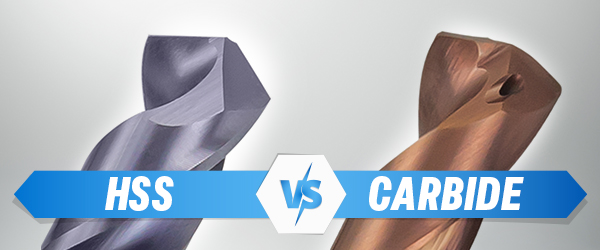
HSS or Carbide Tools? How to Choose the Right Tool for Your Application
Choosing the right cutting tool material can dramatically impact performance, efficiency, and cost in your machining operations. High-Speed Steel (HSS) and Carbide are two of the most common options, each with its strengths and ideal use cases.
To help manufacturers navigate the decision, we spoke with Jeff Boyd, High Performance Solutions expert at Sutton Tools, about the pros and cons of each material and practical tips for selecting the right tool.
Q: What are the main differences between HSS and Carbide tools?
Jeff Boyd:
“HSS, or High-Speed Steel, is prized for its toughness and versatility. It’s forgiving on less rigid machines, handles interrupted cuts well, and can be re-ground multiple times, which is cost-effective for smaller runs. Carbide is much harder and retains its cutting edge at higher temperatures, making it ideal for high-speed, continuous operations. Essentially, HSS offers toughness and flexibility, while carbide offers hardness and durability.”
Q: When would you recommend using HSS tools?
Jeff Boyd:
“HSS is excellent for low- to medium-volume production, prototype runs, and hand-held operations where flexibility is needed. It works well for materials that are softer or have inconsistent properties, and it’s less likely to chip than carbide in less rigid setups. For example, if you’re machining mild steel or aluminium on a manual or older machine, HSS can be the most reliable and cost-effective option.”
Q: And when is Carbide the better choice?
Jeff Boyd:
“Carbide is best for high-volume production, hard materials, or situations where maintaining tool life and reducing downtime are priorities. It’s ideal for machining stainless steel, titanium, or hardened steels. For instance, on a rigid CNC milling machine running a batch of stainless parts, carbide will allow higher cutting speeds, more consistent quality, and longer tool life compared to HSS. The initial cost is higher, but the performance benefits usually outweigh that investment.”
Q: Are there situations where using both materials makes sense?
Jeff Boyd:
“Definitely. A common approach is to use HSS for initial testing or roughing, then switch to carbide for finishing once you’ve optimised the process. Another scenario is using HSS for interrupted cuts and carbide for continuous passes. Matching the tool material to both the operation and the machine’s capabilities is key to achieving the best performance and efficiency.”
Q: How does Sutton Tools HPS help customers make the right choice?
Jeff Boyd:
“We take a holistic view of each application, considering the material, machine setup, cycle time, and production volume. We provide trial tools, application testing, and customised solutions when needed. Our goal is to help customers get the most out of their tooling, whether that’s HSS or carbide, while improving productivity and reducing costs.”
Key Takeaways
• HSS Tools: Tough, flexible, easy to regrind, ideal for interrupted cuts, softer materials, and less rigid machines.
• Carbide Tools: Hard, wear-resistant, high-speed capable, ideal for continuous cutting, hard materials, and high-volume production.
• Decision Factors: Material being machined, machine rigidity, production volume, expected tool life, and cost.
Need Help Choosing the Right Tool?
Whether you’re deciding between HSS and carbide, or exploring a custom tooling solution, Sutton Tools HPS can help. Our experts provide guidance, trials, and tailored solutions to optimise your machining performance.